
On This Day - 3rd April
1043 Edward the Confessor was crowned King of England inWinchester Cathedral. (See
 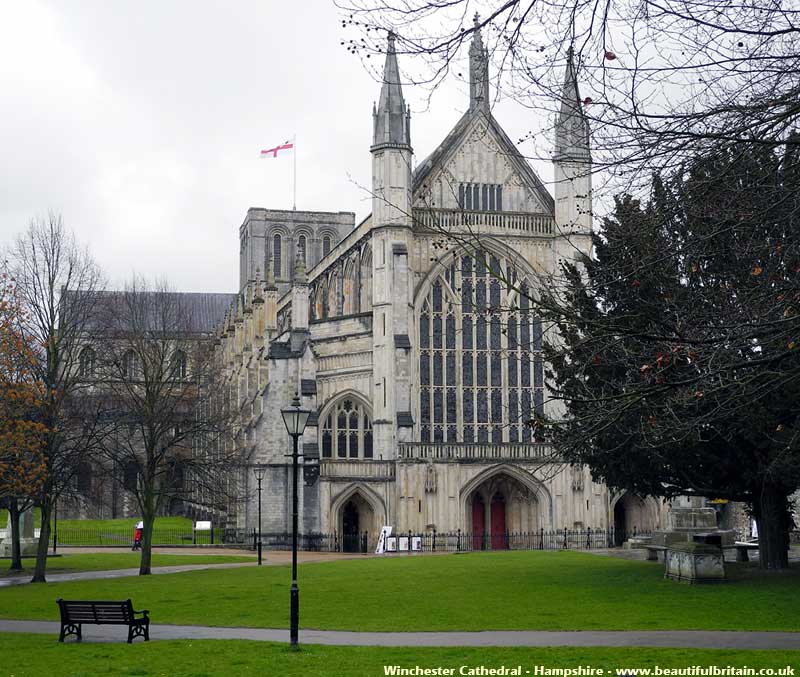 picture). He was regarded as one of the national saints of England until King Edward III adopted Saint George as patron saint in about 1350.
1367The birth of Henry IV, (son of John of Gaunt). He became the first Lancastrian
king of England in 1399 and his reign was marked by many uprisings, both at home and
abroad.
1693 The birth, on the Nostell estate (Wakefield) of John Harrison, self-educated carpenter and clockmaker who invented the marine chronometer. Harrison's solution revolutionized navigation and greatly increased the safety of long-distance sea travel. His 300 year old, fully working, almost entirely wooden mechanism clock (see 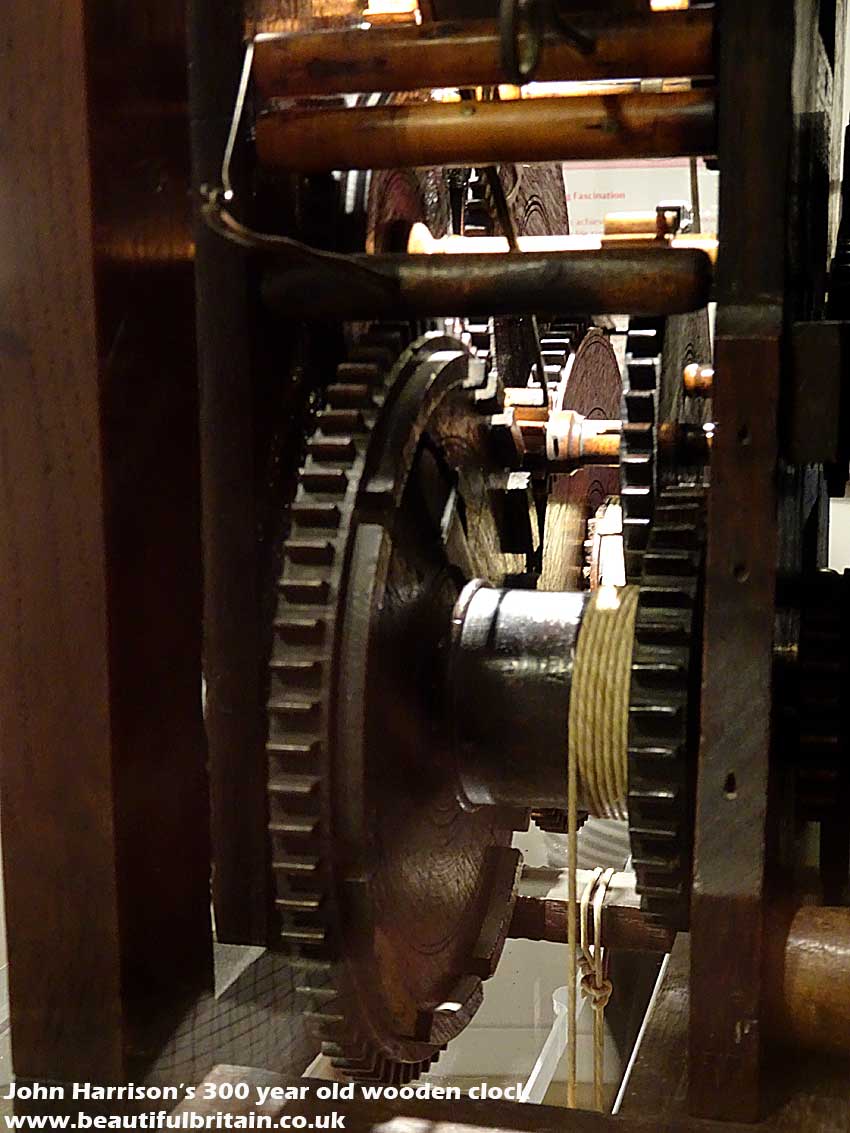 picture) is at Nostell Priory.
1721Sir Robert Walpole was appointed first lord of the treasury and chancellor
of the exchequer, effectively making him Britain's first prime minister.
1862The death of Sir James Clark Ross, English polar explorer who has the
Ross Barrier, Sea and Island named after him.
1888The first of 11 brutal murders of women occurred in or near the impoverished Whitechapel district in the East End of London. The crimes remain unsolved to this day. At various points some or all of the killings were ascribed to the notorious, unidentified serial killer known as Jack the Ripper, but now he is believed to have killed 5 of those 11 women.
1895The trial of the libel case instigated by Oscar Wilde began, eventually resulting in his imprisonment on charges of homosexuality.
1901The death of the British Impresario Richard D'Oyly Carte, founder of the
Savoy Theatre and Hotel and manager of the Gilbert & Sullivan opera company.
1913English suffragette Emmeline Pankhurst was sentenced to 3 years in prison
for inciting supporters to place explosives at the London home of British politician
David Lloyd George. The Home Secretary banned all future public meetings of
suffragettes.
1929RMS Queen Mary was ordered from John Brown & Company Shipbuilding and Engineering by Cunard Line. She was the flagship of the Cunard Line from May 1936 until October 1946 when she was replaced by Queen Elizabeth. She also held the 'Blue Riband' fastest Atlantic crossing award from 1936 to 1937 and then from 1938 to 1952 when she was beaten by the new SS United States.
1933Everest was conquered for the first time by plane when 2 specially built
British planes made aviation history by flying over the summit. The pilots
were the Marquis of Douglas and Clydesdale and Flight Lieutenant David McIntyre.
1954Oxford won the 100th Boat Race in rough conditions on the River Thames.
1981Mobs of youths went on the rampage in Brixton, South London, throwing
petrol bombs and looting shops. Police harassment over a long period was given
as the cause.
1987The jewels of the late Duchess of Windsor, (the former Mrs Wallis Simpson
who married Edward VIII of England after his abdication in 1936), fetched more
than £31 million at auction, six times more than the expected figure.
1993The Grand National was declared void after a series of events at the
start reduced the world-famous horse race to a shambles. 30 of the 39 riders
failed to realise a false start had been called and set off around the racetrack,
completing both laps of the course and passing the finish line before they
realised their mistake.
2000A controversial plan to give asylum seekers vouchers instead of cash
came into force.
2014A 25 year old student was fined and given penalty points after he was caught driving a car with all 4 doors removed, along with the headlights, front and rear indicators, bonnet, grille, and rear brake lights which he had removed to sell on-line. He had been attempting to take the car to a recycling centre five miles from his home in Nottinghamshire, to sell for scrap.